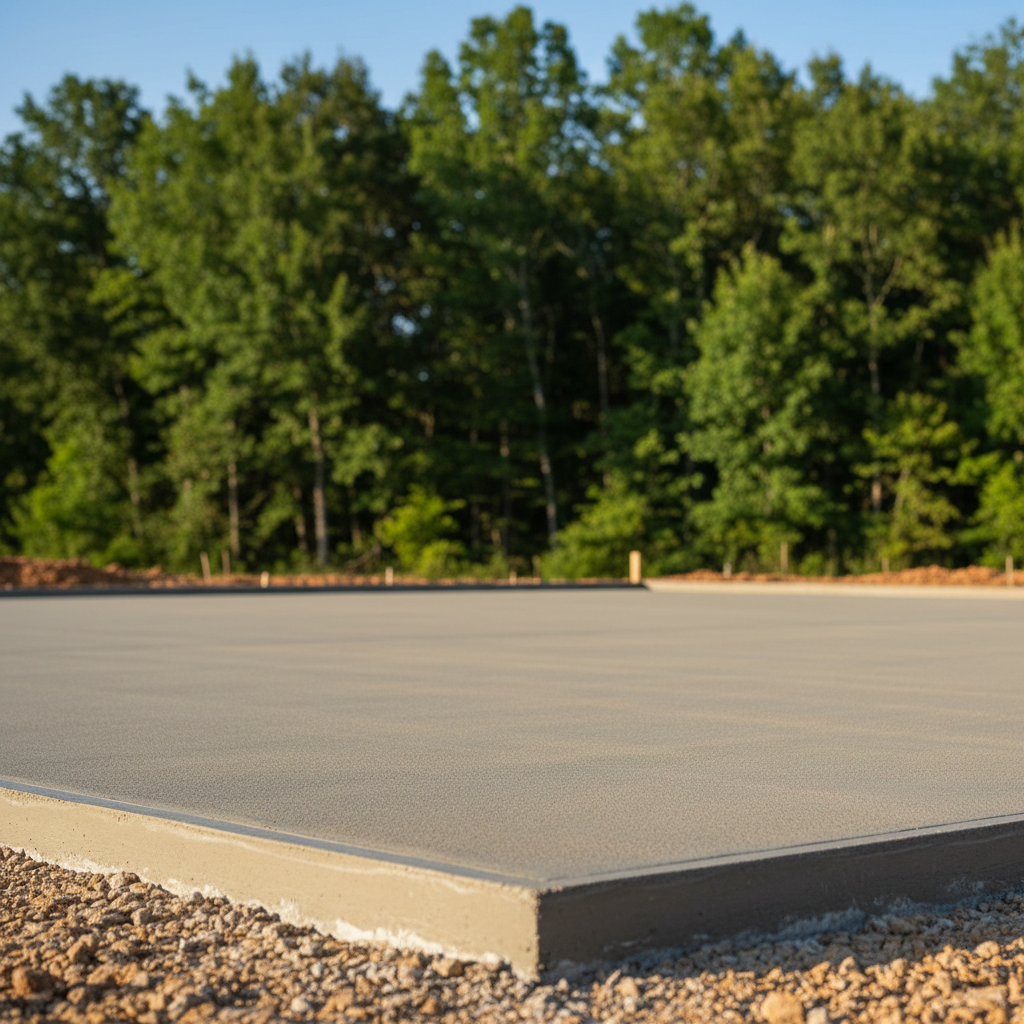
Ever notice how some doors in older homes around Five Points suddenly start sticking when summer hits? That is our North Alabama red clay talking. If you own a home here, you are dealing with soil that swells up tight when we get heavy spring rains and shrinks away when things dry out. That constant motion puts serious stress on concrete foundations. Whether you are planning a new addition or trying to figure out what those hairline cracks in your basement wall mean, knowing how to handle your foundation can save you thousands of dollars down the road.
Before the Pour: Preparation and Planning
Getting a solid foundation starts long before the concrete truck ever shows up in your driveway. You cannot just scrape the topsoil off and start pouring. Here in Madison County, site grading and excavation set the entire stage for how your structure will age. If your lot slopes toward the house, you are inviting water pooling right against the concrete.
Can you handle the prep work yourself? Sure, if you have got a weekend, a rented mini-excavator, and a good eye for grade. You can dig out minor trenches or clear brush. But when it comes to proper soil compaction and sub-base grading, that is where things get technical. Miss a spot, and the earth settles unevenly later. Huntsville Hometown Concrete always tells homeowners that skimping on the base prep is a gamble you are almost guaranteed to lose.
During the Project: Pouring and Monitoring
When pour day arrives, timing and execution are everything. Concrete is not something you can rush or pause to take a phone call. It has to be placed, screeded, and finished while it is workable, which does not give you much breathing room when July humidity is sitting at ninety percent.
This is strictly professional territory. Mixing bags in a backyard trough for a foundation wall or a structural slab is a recipe for a weak, honeycombed mess that will not pass inspection. Professional crews bring the right mix designs, pump trucks, and finishing tools to ensure the concrete cures with maximum strength. Your main job during this phase is staying out of the way, keeping pets inside, and making sure the crew has clear access to the site.
After the Pour: Curing and Ongoing Care
Most people think concrete is finished the day it is poured, but that is actually when your job begins. Proper curing takes about 7 days where the concrete needs to stay damp to reach its design strength. Letting it dry out too fast under a hot Huntsville sun leads to surface checking and structural weakness.
As a homeowner, your ongoing maintenance checklist is straightforward:
- Keep your gutters clean and make sure downspouts carry rainwater at least 6 feet away from the foundation perimeter.
- Walk your foundation walls twice a year to check for new cracks or shifting mortar joints.
- Seal small non-structural cracks early with a quality polyurethane masonry caulk before water gets inside.
If you see horizontal cracks, bowing walls, or doors that will not latch anymore, skip the DIY masonry kits. Those are red flags pointing to deeper structural movement that requires steel piers or professional stabilization. Taking care of small issues early keeps your house standing strong for 15 to 20 years or more.