You're thinking about a new concrete driveway, maybe a patio, or fixing up some old sidewalks. Good for you. Concrete flatwork is a big investment, and you should know what you're getting into. I get a lot of the same questions from folks all over Huntsville, from South Parkway to Meridianville. So, I figured I'd lay out the answers to the most common ones right here.
What's the difference between concrete and asphalt for a driveway?
This is a classic. Look, both have their place, but for a residential driveway, concrete usually wins out in the long run, especially around here. Asphalt is cheaper upfront, no doubt. It's flexible, which can be good for our freeze-thaw cycles, but it also needs more regular maintenance – sealing every few years, and it softens in our brutal Alabama summers. You'll see ruts and cracks develop faster, trust me. Concrete costs more initially, but it lasts a lot longer, often 20-30 years or more with proper care. It's tougher, handles heavy vehicles better, and doesn't get soft and sticky when it's 95 degrees outside. Plus, you can do more with it aesthetically, like stamping or staining. For most homeowners, concrete is the better value over time.
How long does concrete flatwork take to cure, and when can I use it?
This is probably the most asked question, and it's important not to rush it. Concrete doesn't just dry; it cures, which is a chemical process. It reaches about 70% of its strength in the first 7 days, but full cure can take 28 days or even longer, depending on the mix and conditions. For light foot traffic, you can usually walk on it after 24-48 hours. For vehicles, you really want to wait at least 7 days, and preferably 10-14 days for heavy vehicles or parking. I know it's tough to be patient, but using it too soon can cause permanent damage, like tire marks or cracks, that you'll regret later. Just give it time.
Do I need rebar or mesh in my concrete? What's the deal with expansion joints?
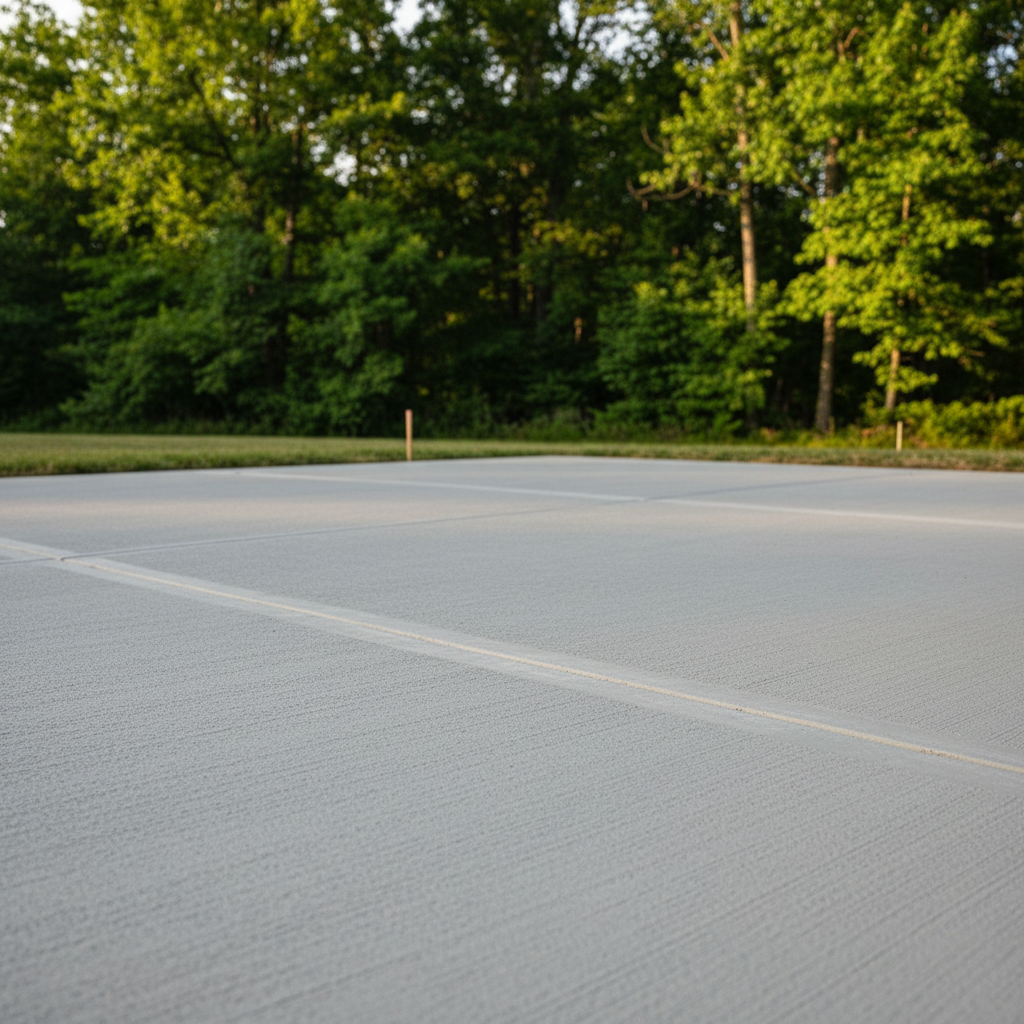
Absolutely, you need reinforcement. For most residential flatwork like driveways and patios, I'm usually recommending rebar or fiber mesh, sometimes both. Rebar (steel reinforcing bars) adds significant tensile strength, helping the concrete resist cracking from movement or heavy loads. Mesh (welded wire fabric) is good for temperature-related cracking and keeping any cracks that do form from spreading too wide. It's not about preventing all cracks – concrete cracks, it's just what it does – but controlling them. Expansion joints, or control joints, are just as crucial. These are intentional cuts or strips placed in the concrete to create weak points. When the concrete expands and contracts with temperature changes, or settles, it'll crack along these lines instead of randomly across your beautiful new surface. We'll plan these out carefully to minimize visible cracking.
My existing concrete is cracked. Can it be repaired, or does it need to be replaced?
It depends on the type and extent of the cracking. Small hairline cracks, especially those that don't go all the way through the slab, can often be repaired with sealants or epoxy injections. If you've got wider cracks, uneven sections where one side has lifted or sunk (called faulting), or a network of deep, interconnected cracks (often called alligator cracking), then replacement is usually the better option. Patching severe cracks is often a temporary fix and can look pretty bad. I'll always give you an honest assessment. Sometimes, a full replacement, while more expensive upfront, saves you money and headaches in the long run by giving you a structurally sound and aesthetically pleasing surface.
How do I maintain my concrete flatwork once it's installed?
It's not a lot of work, but a little goes a long way. First, keep it clean. Sweep off debris regularly, and wash it down with a hose. For tougher stains, a pressure washer can work, but be careful not to use too high a pressure setting, especially on newer concrete, as you can damage the surface. Sealing is important. I recommend sealing your concrete every 2-5 years, depending on traffic and exposure. A good quality sealer protects against moisture, freeze-thaw damage, oil stains, and general wear. Also, address any small cracks or spalling (surface flaking) quickly before they get worse. Don't let water sit on it for extended periods, especially in winter. Proper drainage is key during installation, but you can help by making sure downspouts aren't dumping water directly onto your slab.
What's the deal with drainage? Will my new concrete cause water problems?
Drainage is super important. If your concrete isn't sloped correctly, you're going to have standing water, and that leads to all sorts of problems: staining, moss growth, and in winter, freeze-thaw damage that can really mess up your slab. Worse, if water drains towards your house, you're looking at foundation issues or basement flooding. When we pour concrete, we always ensure it has a slight slope, usually at least 1/8 to 1/4 inch per foot, away from your home or towards a designated drainage area. We'll consider your yard's existing contours and any nearby structures. Sometimes, we might need to install a trench drain or catch basin to properly manage water flow, especially in areas with heavy clay soil like we often find in the Tennessee Valley, which doesn't drain well naturally. You don't want a swimming pool where your patio should be, right?
Why should I choose Huntsville Hometown Concrete for my project?
Look, there are a lot of guys out there who pour concrete. What sets us apart is our commitment to doing it right the first time. We don't cut corners on sub-base preparation, reinforcement, or proper curing. We understand the local climate and soil conditions here in Huntsville, and we use high-quality materials and proven techniques that stand up to our weather. We're a local business, not some fly-by-night operation, and our reputation matters. We'll communicate clearly, show up on time, and make sure you're happy with the finished product. We treat your property like it's our own, and we stand behind our work. That's just how we do business.