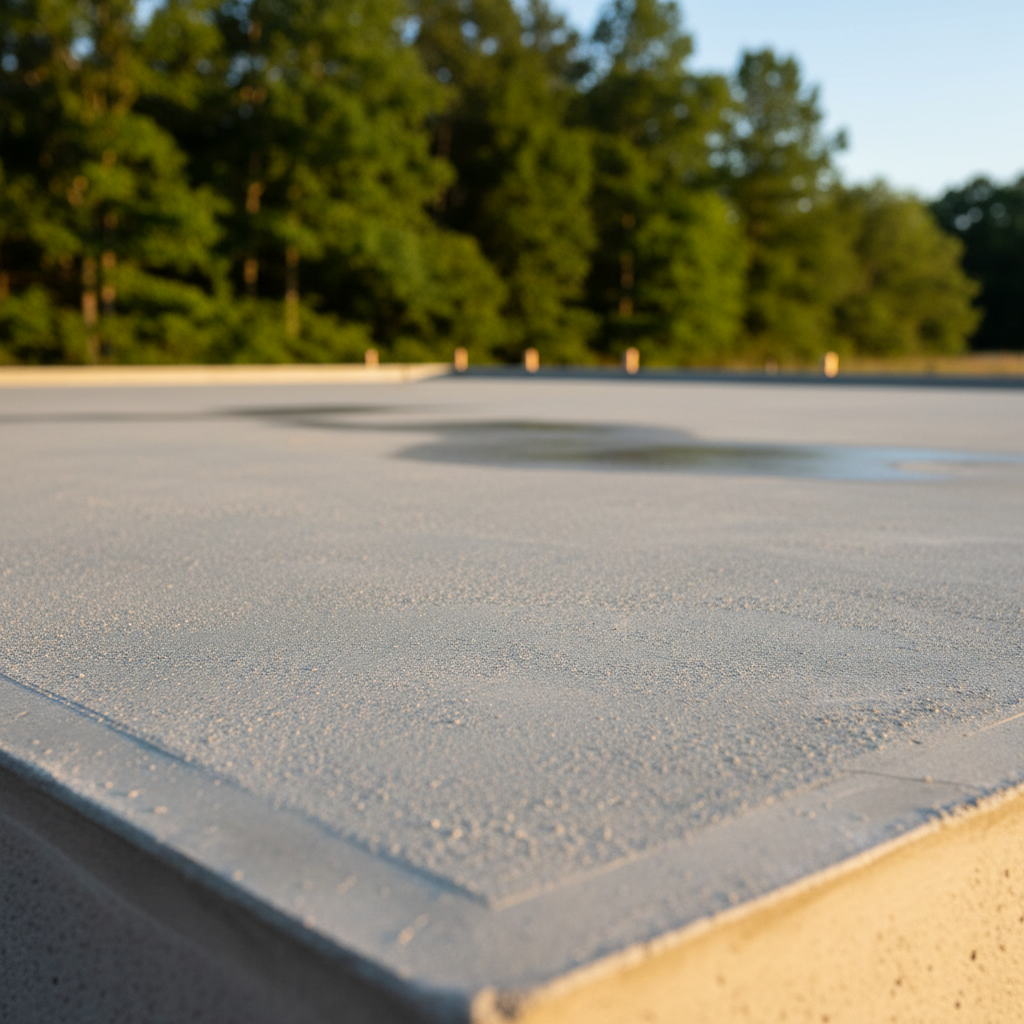
Some houses in Madison County develop cracked brickwork while others stay rock solid for 15 to 20 years or more. It usually comes down to how well the concrete foundation was planned for our stubborn local red clay. If you are getting ready to build an addition, a workshop, or a new structure on your property, you have a lot of moving parts to juggle. Understanding what you need to know before, during, and after the pour helps you avoid expensive lessons the hard way.
Before the Pour: Groundwork and Planning
You cannot just slap a concrete pad onto North Alabama dirt and hope for the best. That red clay expands when we get those heavy spring rains and shrinks down to hard rock during our dry August heat. Before a single yard of concrete gets ordered, you have to look at site drainage and excavation.
Here is what you can tackle yourself to prep the site:
- Clear away brush, trees, and topsoil down to the stable sub-grade.
- Mark out your utility lines and check local zoning setbacks.
What you should not DIY is the soil compaction testing and the engineered load calculations. Huntsville Hometown Concrete always looks at how water moves across your specific lot. If you build in a low spot near a valley floor or up on a rocky slope, your drainage needs change completely. Skipping proper sub-base prep is the number one reason foundations fail early.
During the Project: Forms, Steel, and the Pour
Once the ground is prepped, things move fast. Setting forms, laying down vapor barriers, and tying rebar require absolute precision. If your forms are out of square by even a fraction of an inch, your framing crew is going to have trouble later.
You can save some cash by handling basic site cleanup or helping wheel materials around, but building the structural formwork and pouring the mix is strictly professional territory. Concrete waits for no one once it starts setting up. You need a crew that knows how to screed, float, and finish a slab before the Alabama sun flashes it dry.
After the Pour: Curing and Moisture Control
Many people think that once the concrete looks hard, the job is done. That is a dangerous myth. Concrete does not dry; it cures through a chemical reaction that needs moisture to reach maximum strength.
Keep these post-pour rules in mind:
- Spray the slab down or keep it covered with curing blankets during the first week.
- Keep heavy equipment off the fresh concrete for at least a week or two.
- Direct your downspouts far away from the foundation perimeter so water does not pool against the edges.
Managing water runoff around your new foundation protects your property from day one. Huntsville Hometown Concrete provides Concrete Contractor services for homes and businesses in Huntsville.